



 Türkçe
 English
 Deutsch
 Nederlands
 Italiano
 Español
 Français
 Български
 Română
 Русский
 العربية


Should You Wear Distance Glasses All the Time?
- Kudret Eye Istanbul
Do you need to wear distance glasses all day? Learn when to wear them based on your level of myopia, astigmatism and the things you do every day.
Read More
Information about eye health, what you need to know about current treatment methods.
Do you need to wear distance glasses all day? Learn when to wear them based on your level of myopia, astigmatism and the things you do every day.
Read More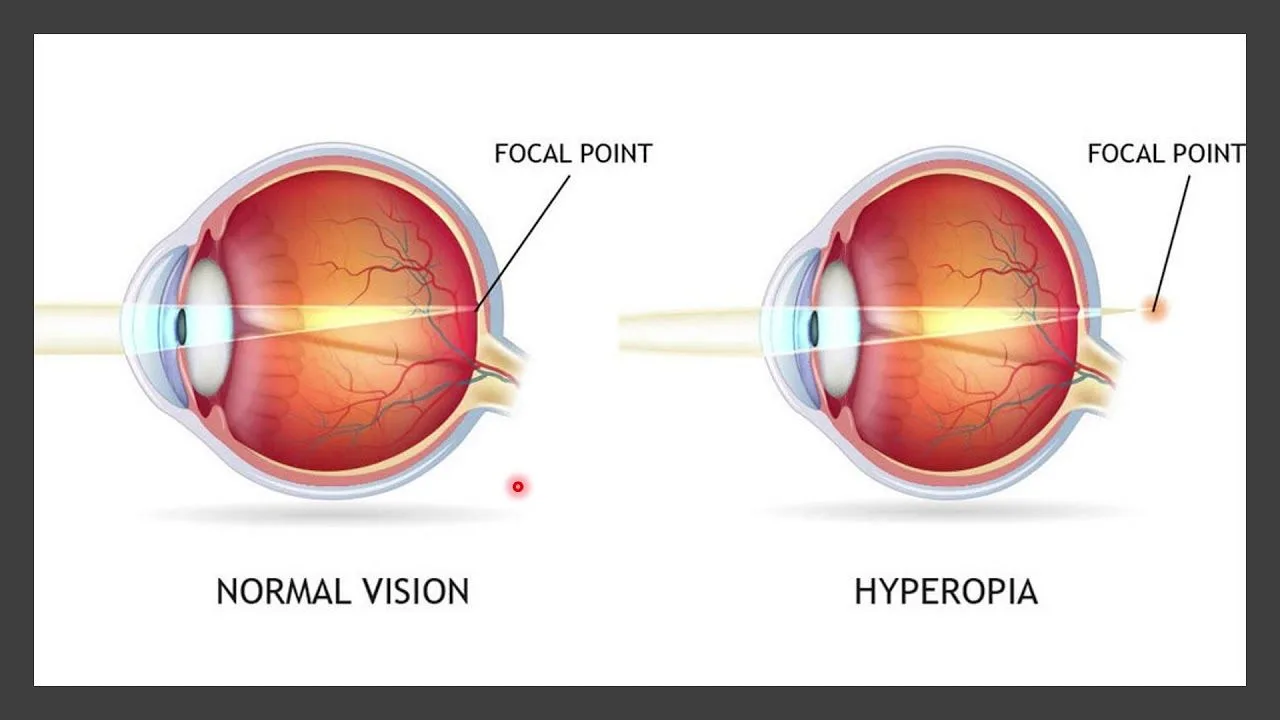
H52.0 is the ICD-10 diagnosis code for hypermetropia (farsightedness). Learn what the code means, the typical symptoms and the treatment options.
Read More
Neurological eye misalignment occurs when the nerves that control the eye muscles are affected. Learn about double vision, causes and treatment options.
Read More
Can you stop your glasses prescription from rising? Learn which habits may help slow myopia, which treatments exist and why regular eye exams matter.
Read More
Blurry vision after SMILE laser surgery is usually temporary. Find out when your sight clears after ReLEx SMILE Pro and how to support your recovery.
Read More
Eye drops help when used as your doctor advises. Learn the risks of steroid, antibiotic and redness-relief drops and how to use eye drops safely.
Read More
Yes, strabismus can be treated. The method depends on age and the type and angle of the eye turn. Learn about glasses, patching and surgery.
Read More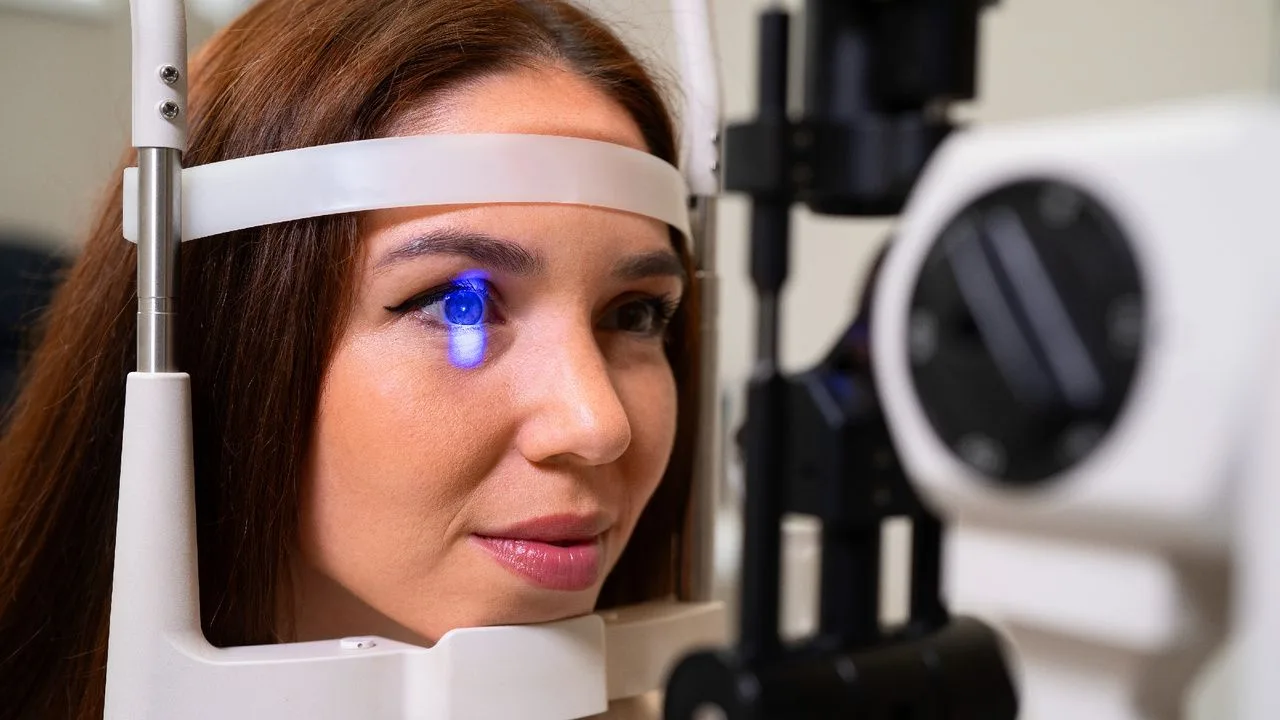
A femtosecond laser uses ultra-short pulses of light to make precise incisions in the cornea. Learn how it is used in iLASIK and ReLEx SMILE Pro.
Read More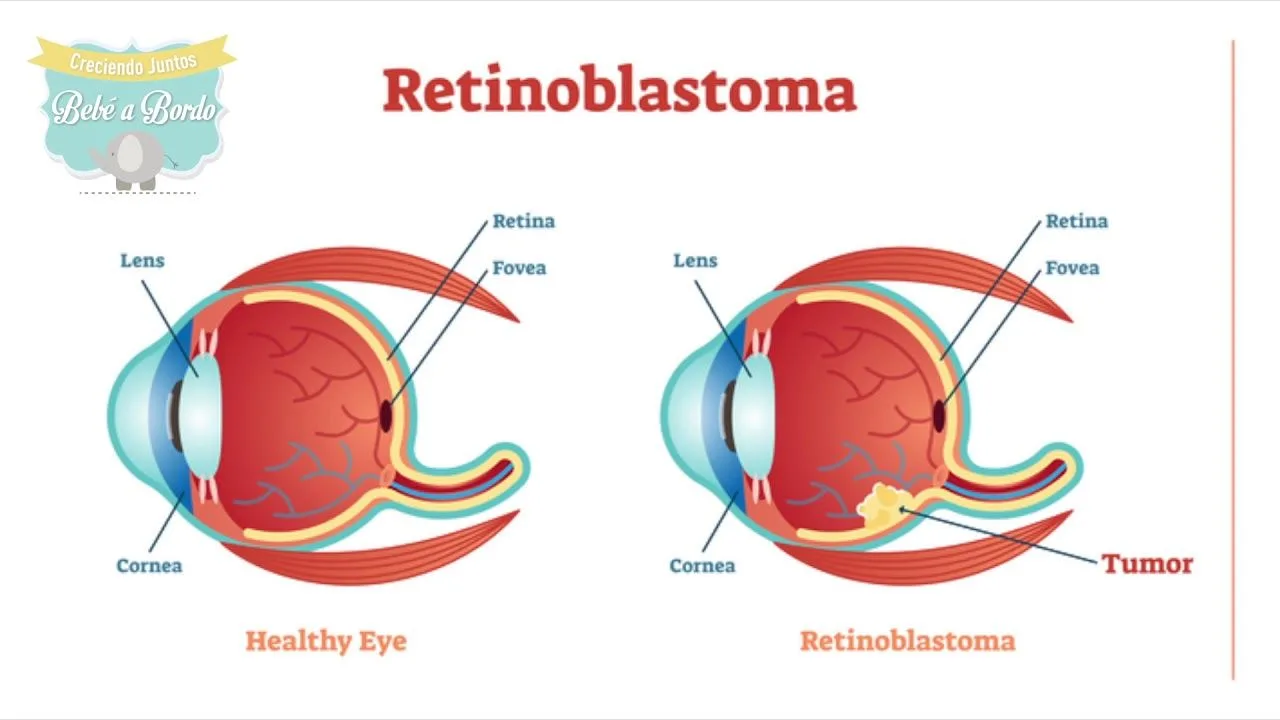
A retinal tear usually forms when the vitreous gel pulls on the retina as it separates with age. Learn the risk factors, warning signs and treatment.
Read More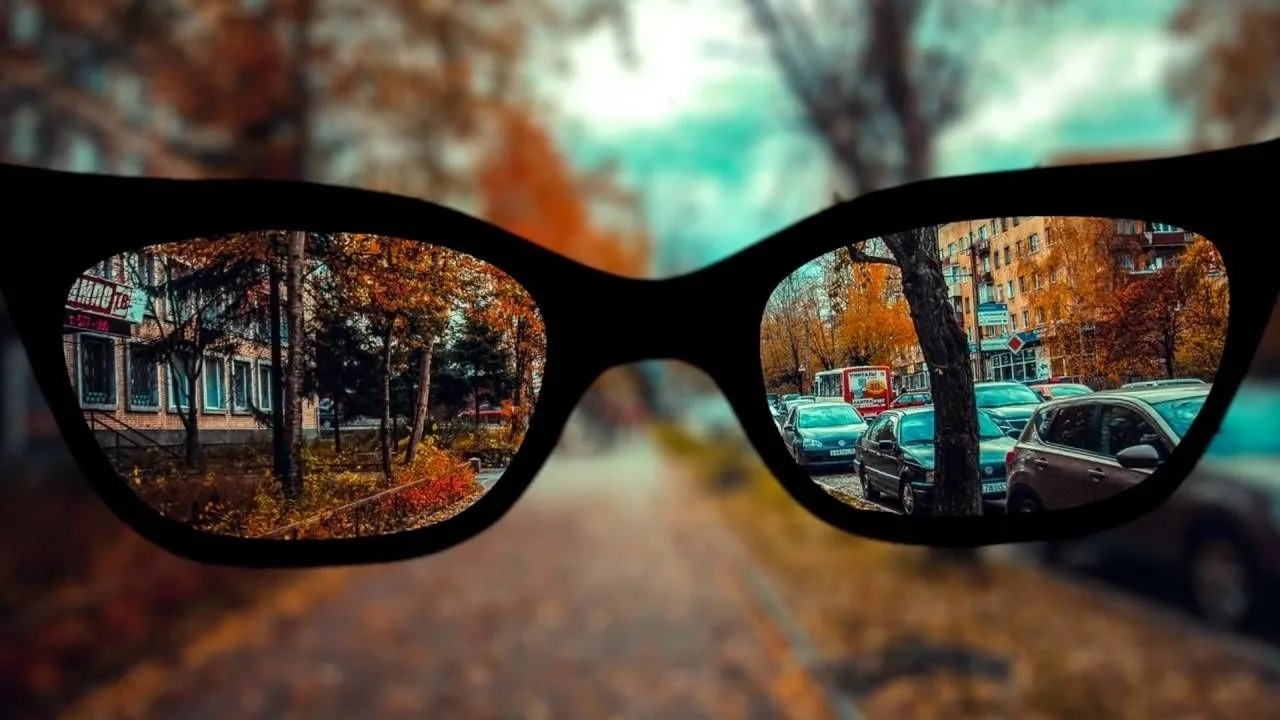
People with myopia wear concave, minus-power lenses in their glasses. Learn about contact lenses, implantable lenses and laser options in plain terms.
Read More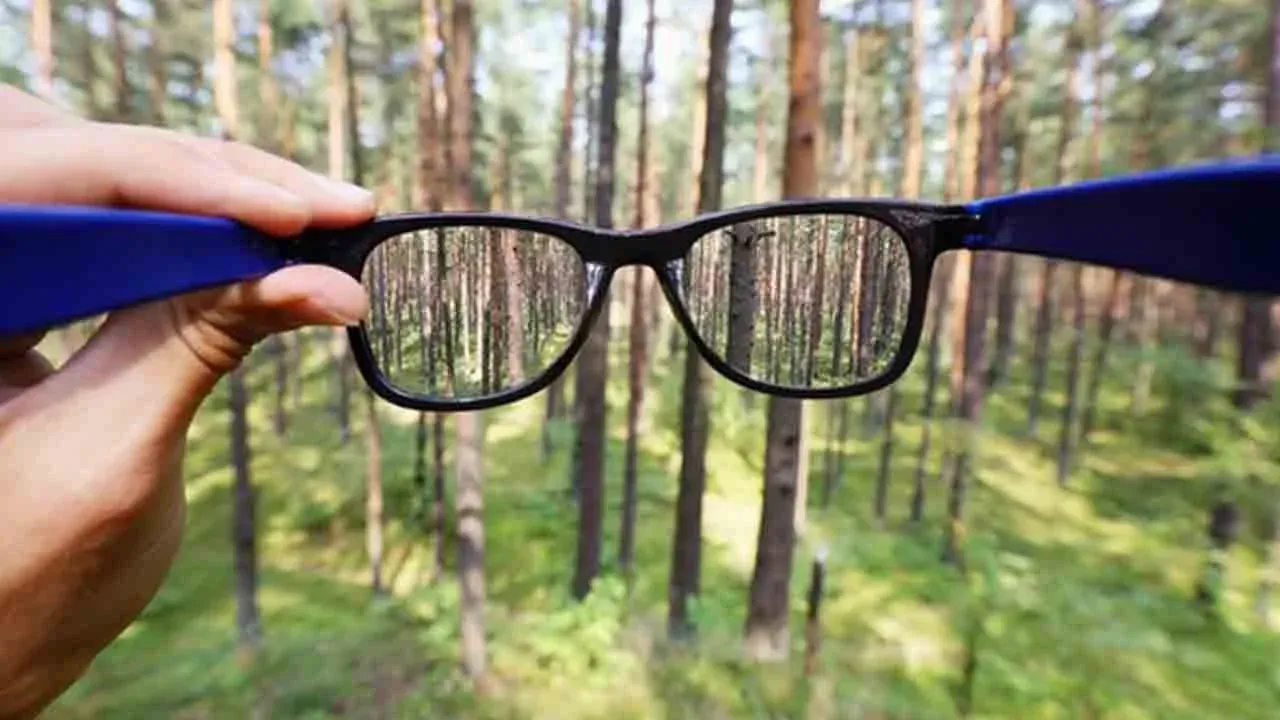
How long blurry vision lasts after laser eye surgery depends on the method. See recovery times for iLASIK, SMILE Pro and No Touch and what to avoid.
Read More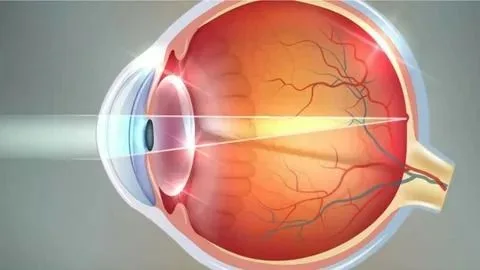
Astigmatism is the inability of light to focus at a single point on the retina, because the curvature of the cornea or the lens is not equal in every meridian. In the international classification of diseases it is recorded as H52.2.
Read MoreYour cookie choice
Essential cookies are always on. With your permission we also use Google and Meta cookies for measurement and ads.Cookies needed for the site to work are always on. With your permission we also use Google and Meta cookies to measure visits and show you relevant ads. You can change your choice at any time with the "Cookie settings" link at the bottom of the page.Detailed Information